Prosthodontist vs General Dentist: What the Difference Means for Complex Cases in San Francisco, CA
Prosthodontist vs general dentist: how the difference affects complex cases in San Francisco, CA. Book a consult with Mont Dental Aesthetics.
A general dentist is trained broadly across prevention and routine restorative care, while a prosthodontist completes an additional ADA-accredited residency (typically three years) focused specifically on rebuilding teeth, bite, and oral function. For a single crown or standard filling, either can do excellent work, but for full-mouth reconstruction, multi-tooth implant cases, or bite collapse, the prosthodontist’s extra training is what protects the long-term result.
What Is a Prosthodontist, Exactly?
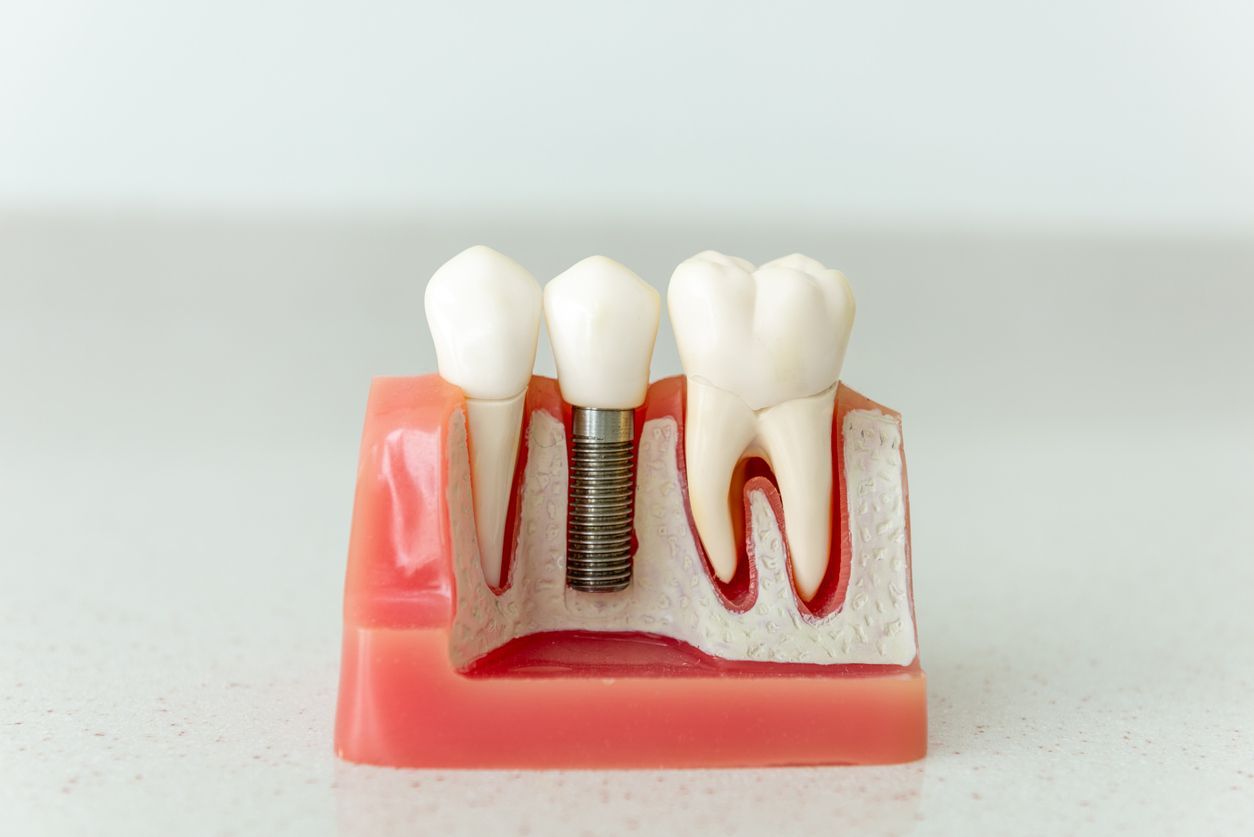
Prosthodontics is one of the dental specialties formally recognized by the American Dental Association, focused on diagnosing and restoring oral function, comfort, and appearance for patients with missing or damaged teeth. A prosthodontist completes dental school (earning a DDS or DMD) and then an additional residency, commonly around three years, concentrated entirely on crowns, bridges, dentures, implant-supported restorations, and complex bite (occlusion) planning.
Dr. Alireza Khoshvaghti at Mont Dental Aesthetics in San Francisco completed a three-year prosthodontic residency with advanced training in full-mouth reconstruction, implant-supported restorations, and complex aesthetic cases.
What Does a General Dentist Handle?
A general dentist manages the full spectrum of everyday oral health: cleanings, fillings, single crowns, root canals, standard bridges, and preventive care, and typically coordinates a patient’s overall treatment plan. For the majority of dental needs, a general dentist’s training is the right fit, and many patients never need anything beyond it.
Where the Difference Actually Matters: Complex Cases
The distinction becomes meaningful once a case moves from “fix one tooth” to “rebuild a bite.” That includes:
- Full-mouth reconstruction involving most or all teeth
- Implant-supported full-arch restorations, especially with reduced bone volume
- Combining multiple failing crowns, bridges, and missing teeth into one coordinated plan
- Complex occlusal (bite) collapse from wear, grinding, or missing back teeth
- Cases where a patient has already had restorative work fail or relapse
“The failure point in complex cases usually isn’t the crown or the implant itself; it’s the bite plan around it,” says Dr. Alireza Khoshvaghti. “When you’re reconstructing several teeth at once, every restoration has to work together under the same forces, or the whole plan is at risk of breaking down within a few years.”
What Actually Happens at a Complex-Case Consultation
A first visit for a suspected complex case typically runs 60–90 minutes and includes a full set of X-rays or 3D scan of your mouth, a bite (occlusal) analysis, photographs, and, for implant-related cases, an evaluation of bone volume. Rather than treating one tooth in isolation, the prosthodontist maps how all the remaining and planned teeth will function together, then presents a phased treatment plan with sequencing (extractions, bone grafting if needed, provisional teeth, then final restorations).
Timelines vary significantly by case complexity: a limited multi-tooth restoration may take 2–3 months from consultation to final result, while a full-mouth reconstruction with implants commonly spans 6–12 months to allow for healing and integration between phases. Costs for complex, multi-tooth restorative or implant-supported reconstruction generally fall between $15,000 and $45,000 or more, depending on the number of teeth involved, whether implants and bone grafting are needed, and materials selected, always confirmed with an itemized plan before treatment begins.
For patients exploring their options, the restorative dental solutions page outlines the range of procedures involved in rebuilding function and appearance for these cases.
How to Tell if Your Case Is “Complex” Enough for a Prosthodontist
You likely have a complex case if any of the following apply: you’re missing more than two or three teeth in the same arch, you’ve had a bridge, crown, or denture fail or come loose more than once, you experience jaw pain or uneven wear consistent with a bite problem, or you’re considering implants alongside other restorative work rather than a single implant. If none of these apply, a general dentist can usually manage your care directly.
Does Insurance Cover Prosthodontic Treatment?
Coverage depends on your plan and whether treatment is classified as restorative or cosmetic. Most PPO dental plans provide partial coverage for medically necessary crowns, bridges, and dentures, but implant-related and full-mouth reconstruction coverage varies widely and is often limited. Your dentist’s office can typically submit a pre-treatment estimate to your insurer before you commit to a plan, which is the most reliable way to know your actual out-of-pocket range.
General Dentist vs Prosthodontist: Do You Need a Referral?
No formal referral is required to see a prosthodontist directly, though many patients are referred by their general dentist once a case is identified as complex. Choosing a residency-trained prosthodontist from the start can also streamline care for patients who already suspect they’re facing a multi-tooth or full-arch case, since it avoids restarting diagnostics with a second provider.
FAQs
Q.1 Is a prosthodontist more expensive than a general dentist?
A: For simple procedures, fees are often comparable. For complex, multi-tooth reconstruction, a prosthodontist’s specialized planning can run $15,000–$45,000 or more, depending on scope, but may reduce the risk of costly redo treatment later, since the case is planned correctly from the start.
Q.2 Can a general dentist do a full-mouth reconstruction?
A: Some general dentists take on full-mouth cases, especially with added training, but ADA-accredited prosthodontic residency training is specifically built around coordinating multiple restorations, bite forces, and long-term function together.
Q.3 How do I know if I need a prosthodontist instead of my regular dentist?
A: If you’re missing multiple teeth, have had restorative work fail more than once, or are considering implants alongside other work, ask for an evaluation. A short consultation can determine whether your case needs specialized planning.
Book a complex-case consultation with Dr. Alireza Khoshvaghti at Mont Dental Aesthetics, San Francisco. Call 415-398-6344 or book online at montgomerystdental.com.
Recent Posts