Prosthodontist vs. General Dentist: What is the Exact Difference in San Francisco, CA?
A prosthodontist is a dental specialist. They have advanced training in restoring and replacing teeth. On the other hand, a general dentist provides full primary oral care.
For complex smile restoration and oral rehabilitation, you need a qualified specialist. In San Francisco, CA, Dr. Alireza Khoshvaghti, DDS and Prosthodontist, at Mont Dental Aesthetics, offers this expertise. He makes sure you get specialized care.
Dr. Alireza Khoshvaghti, DDS, has served San Francisco, CA, for over two decades. He focuses on high-quality restorative solutions.
Understanding the Role of a General Dental Practitioner
A general dental practitioner is your primary oral health provider. They offer a range of services to keep your teeth and gums healthy. Think of them as your family doctor for oral care.
These practitioners complete four years of dental school. They earn a Doctor of Dental Surgery (DDS) degree. Or they earn a Doctor of Dental Medicine (DMD) degree. Their training covers all basic aspects of dentistry.
General dentists focus on preventive care and routine treatments. They help you maintain good oral hygiene. They also spot and treat common dental problems early.
Common Services from a General Dentist
General dentists handle many everyday dental needs. They're key for ongoing oral health. Their work helps prevent bigger issues later.
- Regular check-ups and cleanings
- Fillings for cavities
- Tooth extractions (simple cases)
- Root canal therapy (basic cases)
- Dental bonding
- Teeth whitening
- Oral health education
What Defines a Dental Specialist in Restorative Dentistry?
A dental specialist in restorative dentistry completes extra training beyond dental school. This specialist is known as a prosthodontist. This advanced education focuses on complex oral rehabilitation.
It typically adds three more years of hard study.
This specialized training covers the diagnosis, treatment planning, and restoration of oral function. It also covers aesthetics. They learn about dental prosthetics and advanced dental procedures. Their goal is to rebuild smiles that are both beautiful and fully functional.
The American Dental Association (ADA) recognizes prosthodontics as one of the 12 dental specialties. This means these specialists have a deep understanding of complex cases. They are experts in restoring damaged or missing teeth.
Key Areas of a Specialist's Expertise
These specialists are skilled in many detailed procedures. They use their specialized knowledge to solve challenging dental problems. Their work often involves creating custom dental devices.
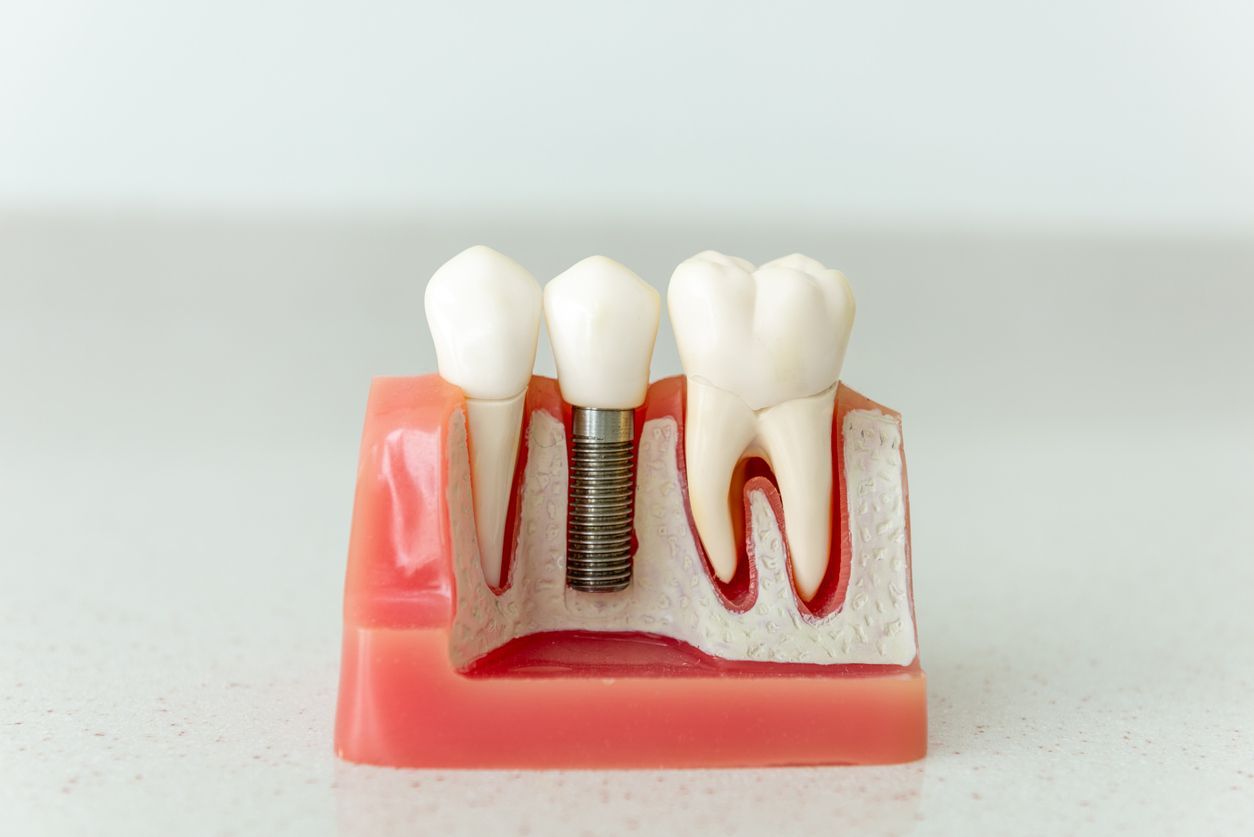
- Dental implants and implant-supported restorations
- Crowns, bridges, and veneers
- Complete and partial dentures
- Reconstruction after oral trauma or cancer
- Correction of bite problems (occlusal disorders)
- Temporomandibular joint (TMJ) disorder treatment
- Maxillofacial prosthetics (e.g., facial prostheses)
Training and Educational Pathways: A Clear Distinction
The path to becoming a general dentist or a dental specialist starts the same way. Both complete a four-year dental degree. This foundational education gives them a broad understanding of oral health.
After dental school, their paths diverge. A general dentist can begin practicing right away. They continue to learn through continuing education courses.
These courses help them stay up to date on new techniques.
Meanwhile, the specialist must finish a training program after dental school. This residency lasts about three years. It focuses entirely on fixing and rebuilding teeth, and this extra training makes them experts in complex cases.
Specialized Knowledge and Skill Sets
The additional training gives these specialists unique skills. They learn how to plan and carry out extensive oral rehabilitation. They understand the mechanics of the bite and facial aesthetics deeply.
For example, this type of specialist receives specific training in biomaterials. They learn about different dental prosthetics. They also gain expertise in digital dentistry techniques.
This helps them create precise and long-lasting restorations.
General dentists have a broader skill set for common issues. These specialists have a narrower, deeper focus on complex restorative challenges. This difference in training shapes their practice.
When to Seek Full Oral Care from Each Professional
Knowing when to see a general dentist versus this specialist is important. Your specific oral health needs guide this choice. Both play key roles in maintaining your smile.
Visiting Your General Dentist
You should see your general dentist for routine check-ups. They handle preventive care and basic treatments. This includes your annual cleanings and exams.
If you have a simple cavity, a general dentist can place a filling. They also address common issues like gum disease. For minor tooth pain, your general dentist is the first stop.
They are your primary contact for all general oral health questions. They can also refer you to a specialist if your case needs more focused attention. This ensures you get the right care.
Consulting a Specialist for Complex Dental Work
You should consult this specialist for more complex situations. This includes missing teeth or extensive tooth damage. They are the experts in smile restoration.
If you need dental implants, crowns, or full mouth reconstruction, this expert is the right choice. They can help you. They also help with complex denture fittings. People with congenital oral defects also benefit from their care.
For aesthetic dentistry involving multiple teeth, this professional offers specialized planning. They ensure both beauty and function. Their expertise helps achieve lasting results for challenging cases.
Key Differences at a Glance
To summarize, here's a quick look at how these two dental professionals differ. This table highlights their main areas of focus and training. It helps clarify their distinct roles in oral health.
| Feature | General Dentist | Prosthodontist |
|---|---|---|
| Primary Focus | General oral health, prevention, and basic treatments | Restoration, replacement of teeth, oral rehabilitation, complex aesthetics |
| Education | None required beyond dental school (continuing education common) | 3+ years of specialized post-doctoral training |
| Scope | Broad range of common dental services | Specialized in complex restorative and reconstructive cases |
| Procedures | Cleanings, fillings, simple extractions, basic root canals | Implants, crowns, bridges, dentures, veneers, full mouth reconstruction, TMJ therapy |
| When to See | Routine check-ups, minor issues, preventive care | Missing teeth, extensive damage, complex aesthetic needs, bite problems |
The Value of Specialized Expertise for Oral Rehabilitation
Choosing this specialist for complex needs offers big advantages. Their focused training leads to a deeper understanding of oral structures. This helps them create more precise and effective treatment plans.
For example, when planning
dental implants, this expert considers many factors. They look at bone density, bite forces, and overall facial harmony. This detailed approach leads to better long-term success rates.
At Mont Dental Aesthetics, Dr. Alireza Khoshvaghti, DDS, applies this specialized knowledge daily. He uses a full approach to smile restoration. He tailors care for patients' unique needs and goals.
Frequently Asked Questions
Does a specialist perform general dental procedures?
Yes, this specialist is fully qualified to perform general dental procedures. However, they typically focus their practice on complex restorative and reconstructive cases. This is because of their advanced training.
Can my general dentist refer me to a specialist?
Yes, your general dentist can and often will refer you to this type of specialist. This happens when your case requires specialized expertise beyond general practice.
Examples include extensive dental prosthetics or oral rehabilitation.
Is a specialist the same as a cosmetic dentist?
No, this specialist is not the same as a cosmetic dentist. But they often perform cosmetic procedures.
The ADA recognizes these specialists. They have specific training in aesthetics and function. The ADA does not recognize "Cosmetic dentist" as a specialty.
What types of dental prosthetics do specialists work with?
These specialists work with many types of dental prosthetics. These include:
- Crowns
- Bridges
- Veneers
- Complete dentures
- Partial dentures
- Dental implants
They design and fit these devices to restore oral function and appearance.
Ready for Expert Smile Restoration?
Understanding the difference between a general dentist and a prosthodontist helps you. It lets you make informed choices for your oral health.
For routine care, your general dentist is key. For complex restorative dentistry and complex dental work, this specialist offers specialized expertise.
If you face challenging dental issues or seek full oral rehabilitation, consider a consultation with a specialist. They can help you. Dr. Alireza Khoshvaghti, DDS and Prosthodontist, and the team at
Mont Dental Aesthetics are here to help. We provide excellent care for patients in San Francisco, CA, who need this specialized dental service.
Contact Mont Dental Aesthetics today to discuss your smile restoration goals. We look forward to helping you achieve lasting oral health and a confident smile.
Recent Posts