Full-Mouth Reconstruction: Are You a Candidate?
Wondering if full-mouth reconstruction is right for you? See real San Francisco patient stories and find out what candidacy actually looks like.
You’re likely a candidate for full-mouth reconstruction if you have multiple teeth affected by decay, infection, wear, or bite problems that a single filling or crown can’t fix. The best way to know for certain is a full clinical exam, but if you’re dealing with several failing teeth at once, not just one bad tooth, it’s worth having that conversation. Below, real patients from Mont Dental Aesthetics in San Francisco, CA share what that process actually looked like for them.
What “Full-Mouth Reconstruction” Actually Means
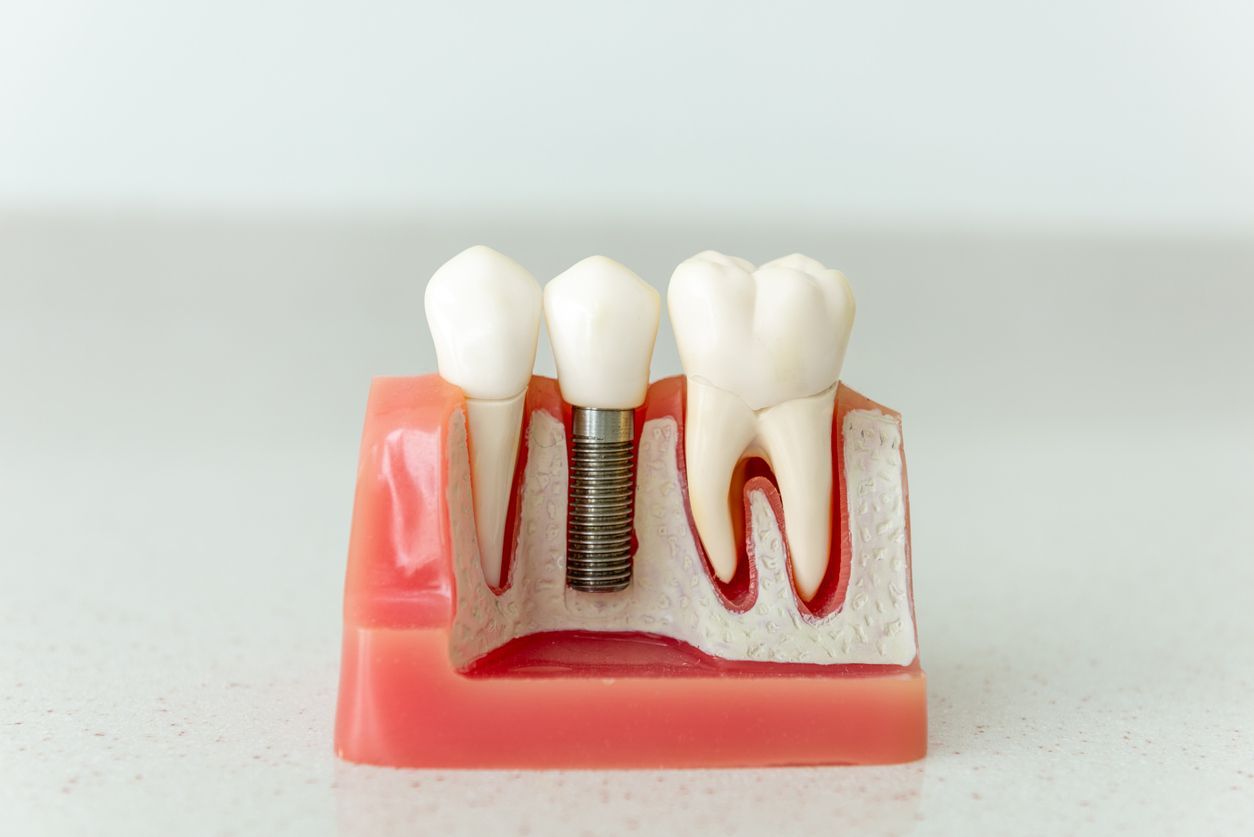
Full-mouth reconstruction isn’t one procedure; it’s a coordinated plan that can include root canals, crowns, implants, bridges, and bite correction, built around restoring how your whole mouth functions, not just how one tooth looks. Candidates typically fall into a few categories: people with widespread decay or old, failing dental work; people recovering from trauma or long-term TMJ-related wear; and people whose infections have progressed past the point where a single procedure will solve the problem.
That last group is where patient Orie’s story starts. Orie came in with multiple root canals that were infected, a situation that often gets pushed off by patients hoping it will resolve on its own. It doesn’t. Left untreated, infected roots put neighboring teeth at risk, which is exactly the kind of chain reaction full-mouth planning is designed to interrupt before it spreads.
The First Visit: What to Expect
The first appointment is diagnostic, not treatment. Expect a full exam, X-rays, a bite assessment, and an honest conversation about what’s realistic, including what’s urgent versus what can wait. This is also where candidacy gets confirmed or ruled out.
Nancy, who was traveling when she needed to be seen, described getting an “honest, straight talk about the tooth” during her visit. That kind of direct assessment matters most at the start: it’s how a provider tells you whether you’re looking at one procedure or a broader reconstruction plan.
Dr. Alireza Khoshvaghti (“Dr. Kosh”), a residency-trained prosthodontist at Mont Dental Aesthetics in San Francisco, puts it this way:
“The goal isn’t just to fix what’s broken today; it’s to build a bite that holds up for years. That means looking at the whole mouth before we touch a single tooth.”
Timelines and Cost Ranges
Full-mouth reconstruction is rarely a one-visit fix. Depending on how many teeth are involved and whether implants or root canals are part of the plan, treatment can run from a few weeks for limited cases to several months for complex, multi-phase reconstructions.
Cost varies just as widely, since every mouth is different. As a general guide, limited restorative work may start around $5,000 - $15,000, while extensive reconstructions involving implants and multiple crowns can run $15,000 - $45,000 or more. Your exact number comes from the exam, not a phone quote. The full-mouth reconstruction page breaks down what factors into that estimate.
When Urgency Matters
Not every case can wait for a “someday” appointment. Orie’s experience is a clear example: Dr. Kosh was the only one who insisted on immediate treatment, a decision the patient credits with preventing a worse outcome. That’s a common thread in full-mouth cases; the longer infection or structural damage sits, the more teeth end up on the list.
Speed matters on the other end too. Patient Edmond summed up his experience simply: “Fast and good procedure.” Efficient scheduling and same-visit availability (Nancy noted the office squeezed her in while traveling) can be the difference between catching a problem early and letting it become a bigger reconstruction later.
Why Patients Choose a Prosthodontist for This
Full-mouth cases benefit from a provider trained specifically in complex restorative and prosthetic work, not just general dentistry. Dr. Kosh completed a 3-year prosthodontic residency focused on advanced reconstructive and aesthetic techniques. For patients weighing multiple failing teeth against a patchwork of individual fixes, that specialization is often what separates a plan that lasts from one that needs revisiting in a year.
If you’re also dealing with tooth loss, the dental implants page covers how implant planning connects with broader reconstruction. For bite alignment concerns, the restorative dentistry overview explains how these treatments work together.
FAQs
Q.1 How do I know if I need full-mouth reconstruction versus a single procedure?
A: If more than one or two teeth need significant work (decay, infection, wear, or bite issues), a comprehensive exam can determine whether a coordinated plan makes more sense than treating each tooth separately.
Q.2 Is full-mouth reconstruction painful?
A: Most patients manage discomfort well with standard local anesthesia and, when needed, sedation options, which are discussed during planning. Multi-phase treatment also spreads recovery across several shorter visits rather than one long one.
Q.3 Does insurance cover full-mouth reconstruction?
A: Coverage depends on your plan and which procedures are medically necessary versus elective. Our team can review your PPO or other coverage details during your consultation.
Ready to Find Out If You’re a Candidate?
Call 415-398-6344 or book your consultation online. Same-week appointments available for San Francisco patients.
By the Mont Dental Aesthetics Content Team
Reviewed for clinical accuracy in consultation with Dr. Alireza Khoshvaghti, DDS, Mont Dental Aesthetics, San Francisco, CA.
Recent Posts